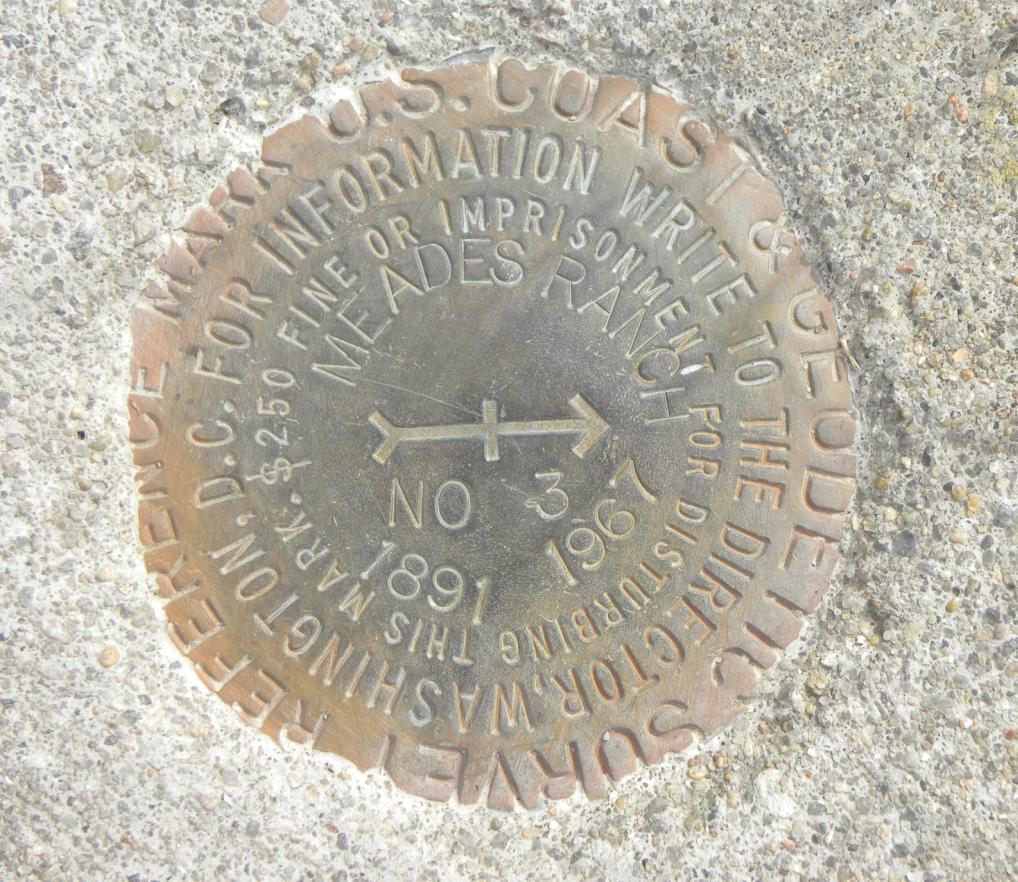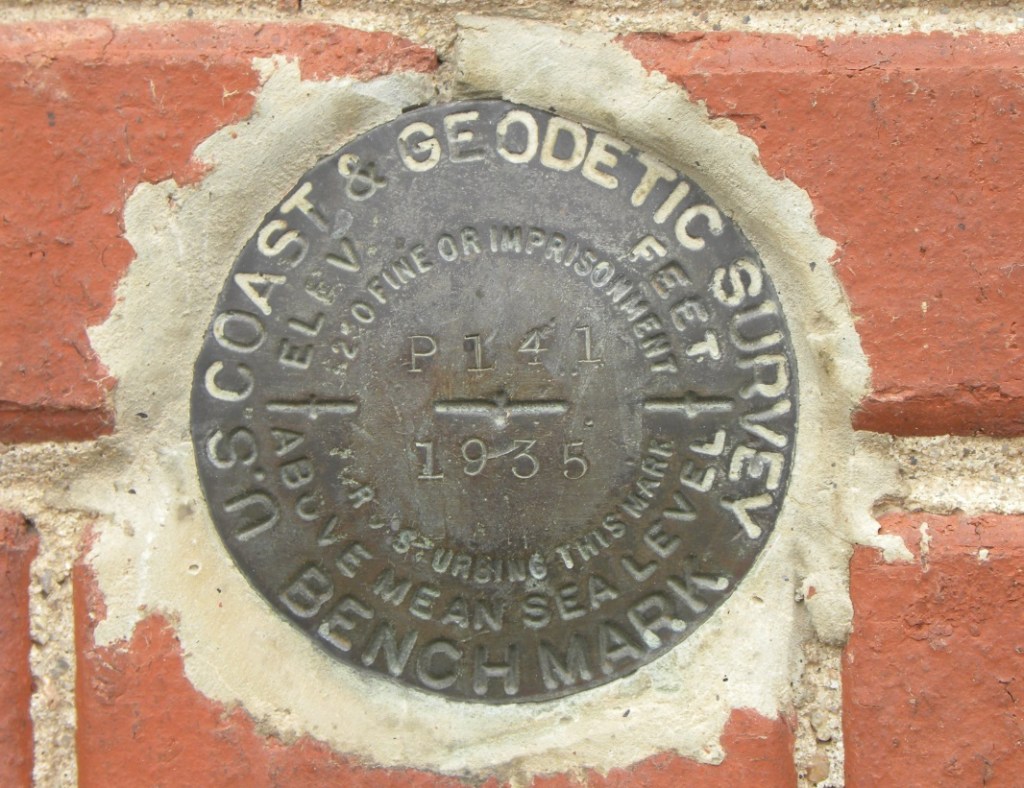
A small brass disk, a large amount of joy
Somewhere near you, probably within walking distance, a government employee bolted a brass disk into the ground and then walked away. Maybe in 1934. Maybe in 1952. It has been waiting ever since, quietly knowing exactly where it is.
You can go find it. Nobody will give you a prize. You will kneel on a sidewalk, brush some dirt off a coin-sized piece of metal, and feel a joy that is wildly out of proportion to the situation.
Welcome to benchmark hunting: geocaching for people who think geocaching has too much excitement in it.
So what exactly is a benchmark?
Technically, a benchmark is a survey mark that records an elevation. Hobbyists use the word for any survey mark, and surveyors have learned to sigh quietly about it.
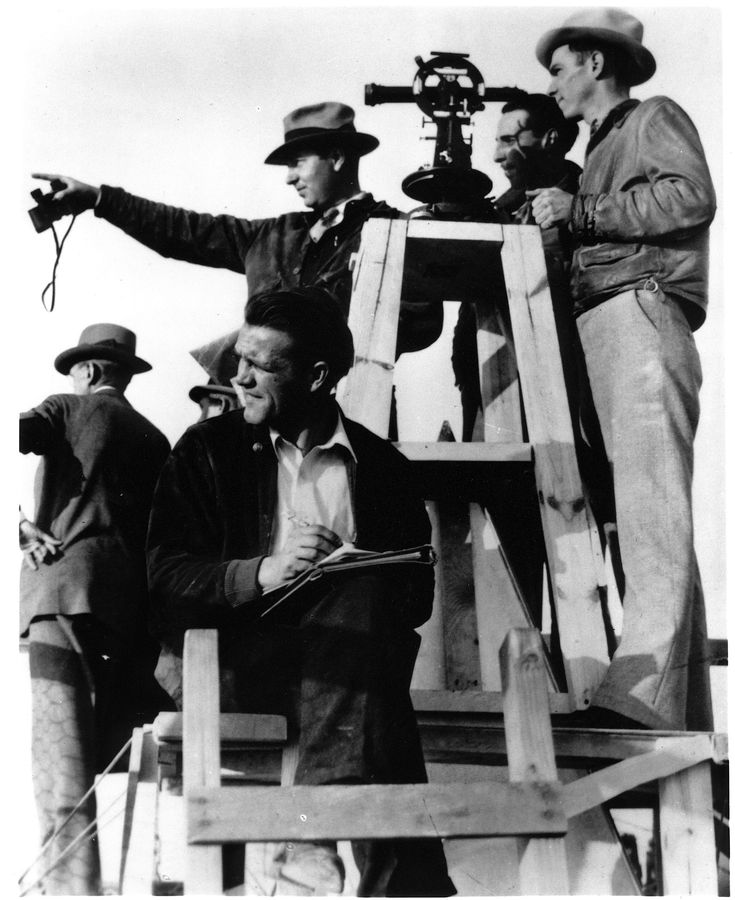
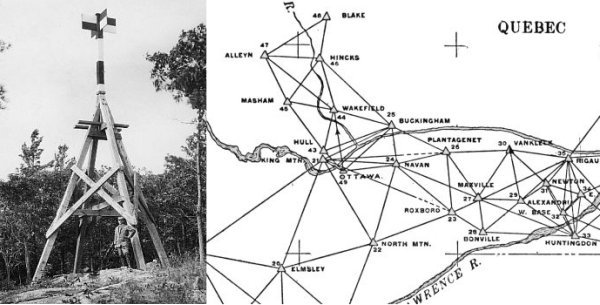
These marks are the physical skeleton of every map you have ever used. Surveyors measured precise positions and heights between them, and everything else got measured from there. The U.S. went on a marking spree from roughly 1930 to 1955, when the country was busy mapping itself.
The disks came from a whole alphabet soup of agencies: the Coast and Geodetic Survey, USGS, the Forest Service, the Army Corps of Engineers, plus states and cities. Today the National Geodetic Survey keeps a database of roughly 740,000 of them with precise coordinates or elevations. That is a small slice of all the marks out there, which means there are a lot of disks nobody is even keeping track of.
In 1960 the government even created a cartoon mascot, Marvin Marker, to promote the cause. If that is not the most boring possible mascot, I need to see the competition.
How to hunt one down
Every mark in the NGS database has a six-character permanent identifier, a PID, and a datasheet. The datasheet is your treasure map, written by someone who did not anticipate you.
- Pull up the datasheets near you. The NGS website lets you search by area. Pick a mark and read its “to reach” description.
- Decode the directions. They read like a riddle from 1941: go 0.3 mile north along the highway, 42 feet east of the centerline, 3 feet south of a fence post. The highway may have moved. The fence post is certainly gone.
- Check how good the coordinates are. Some are surveyed to the millimeter. Others were scaled off a paper map and can be 3,000 to 4,000 feet off. Your GPS will happily lead you to the wrong field.
- Bring the gear. A compass, a tape measure, a probe, a trowel, and a whisk broom. Serious hunters bring metal detectors for marks that have been buried under decades of dirt.
- Read the disk. A triangle in the middle means a triangulation station. An arrow means a reference mark pointing toward the main one. Mixing them up is the hobby’s equivalent of a rookie mistake.
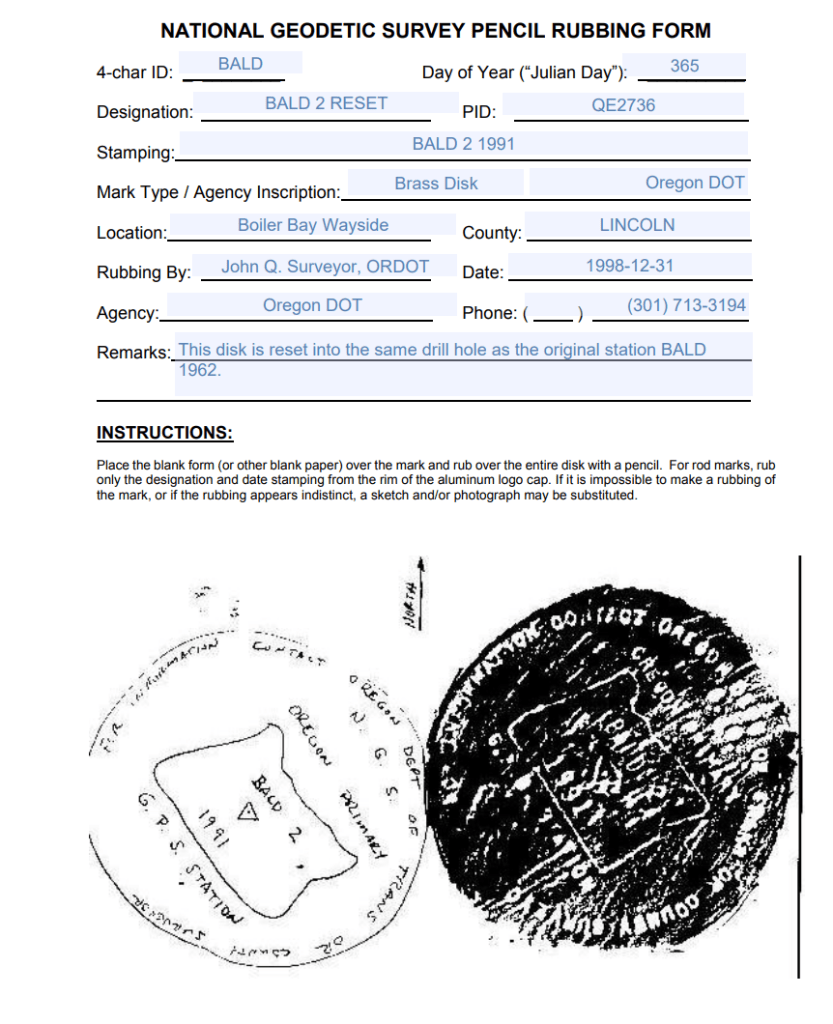
The thrill of recovery, the agony of “not found”
Surveyors don’t say they “found” a mark. They say they “recovered” it, which makes kneeling in a ditch sound like a rescue mission. Honestly, it feels like one.
Then there are the marks you don’t recover. Construction crews removed them. A parking lot buried them. A well-meaning homeowner put a planter on top. You will spend forty minutes probing a lawn while a neighbor watches you through the blinds, and you will go home with nothing but a story.
A few rules keep the hobby honest:
- Never move or dig out a mark. A disturbed mark is a useless mark. You are a visitor, not an archaeologist.
- Take a photo and write down its condition. Note whether it’s intact, damaged, or leaning like it’s had a long day.
- Report it either way. You can submit recoveries, and not-founds, to NGS with photos and updated directions. Your report helps the next hunter, and the next surveyor.
Geocaching.com used to have a benchmarking section for logging finds, but it was retired in 2023. Which is fitting. Even the website for the boring hobby decided it was too exciting.
Why this is gloriously boring
Benchmark hunting has no leaderboard, no gear arms race, and no influencers. The reward is a photo of a dirty disk and the knowledge that you stood on the exact spot someone measured the earth from, decades ago.
That is the secret of the best boring hobbies: they make the ordinary world a little stranger. Once you’ve found your first disk, you will never walk past a bridge abutment or a courthouse step the same way again. You’ll glance down. You’ll check.
And one day, there it’ll be. Waiting, just like it has been since 1934.