
If you’ve ever looked up at a random flock of birds and thought, “Wow, this would be so much better with spreadsheets,” then congratulations. You are spiritually aligned with the world of competitive pigeon racing.
On the surface, it looks painfully simple. You put pigeons in a basket, move them far away, let them go, and wait for them to come home. That’s it. That’s the hobby. Birds go up, birds come back. Somewhere in between, someone declares a winner and a very understated celebration occurs.
But like most so‑called boring hobbies, everything interesting is happening in the details you can’t see from the outside.
The Setup: Birds, Baskets, And A Mild Logistics Problem
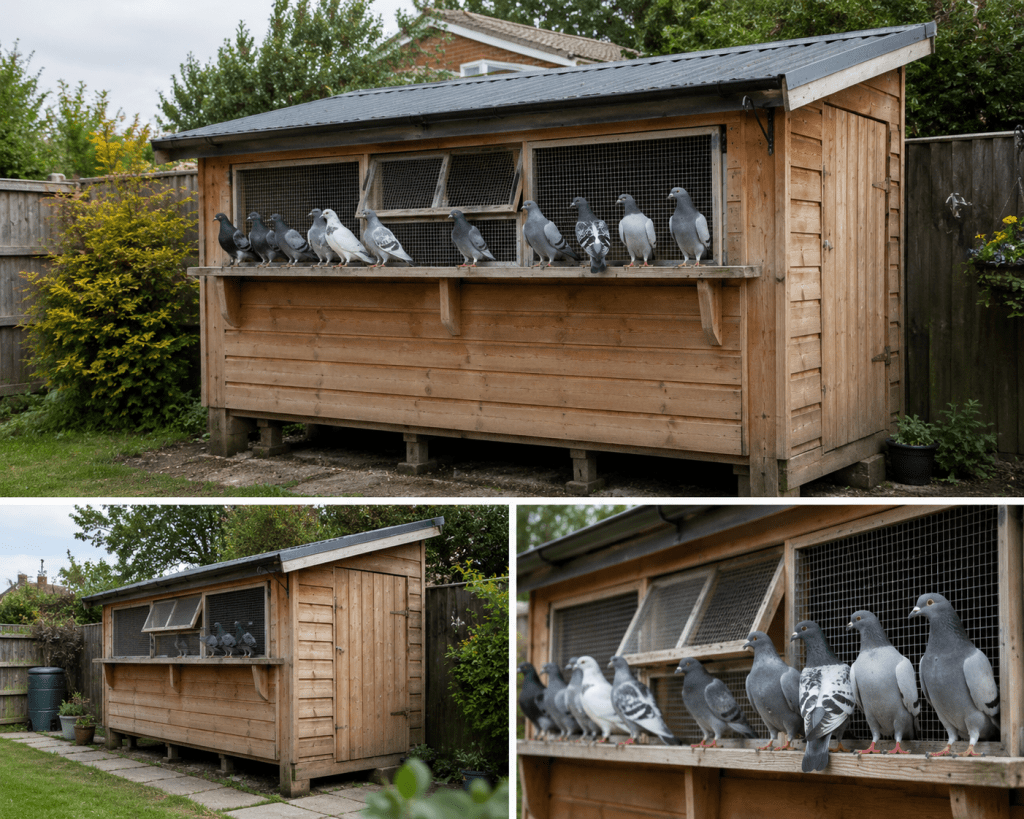
Pigeon racing usually starts in a backyard loft that looks like a cross between a garden shed and a very small, exclusive airport. The birds live there, train there, and occasionally side‑eye you from the perches while pretending not to care about your emotional investment.
On race day, everyone brings their pigeons to a central club point. Each bird gets identified, logged, and loaded into a truck that drives them to the release site. Think school field trip, except no one packed snacks and everyone is wearing an ankle band.
At the release point, they open the crates and the sky fills with birds that somehow know where “home” is, despite never having seen a map, a GPS, or the inside of a Google search.
The Part With The Math (Because Of Course There’s Math)
The race isn’t just “first bird home wins.” That would be too easy, and pigeon people are not here for easy.
Each loft is a different distance from the release point, so what actually matters is speed. Race organizers measure the distance from the release site to each loft, then calculate meters per minute for every bird. Your pigeon might arrive later than someone else’s but still win because it flew farther and faster.
Yes, this is a hobby where people voluntarily do distance calculations for fun. You are absolutely on the right website.

Training A Bird That Thinks It’s A Boomerang
The wild part is that these pigeons aren’t being guided, nudged, or gently bribed home. They’re released in a place they’ve never been and are expected to sort it out.
Racers spend months training their birds with shorter tosses: a few miles away, then ten, then twenty, and so on. The pigeons learn that being put in a basket and driven away is just a weird prelude to the joy of going home very fast.
There are theories about how they navigate: the sun, the Earth’s magnetic field, smells in the air, low‑frequency sounds, or some mysterious built‑in pigeon GPS. No one fully agrees, which means you can absolutely bore a dinner party with competing explanations if you’d like.
The Drama No One Sees
From the outside, pigeon racing looks like a bunch of people standing around, staring at the sky, trying to look calm. Inside, they are emotionally glued to a speck that may or may not be their bird.
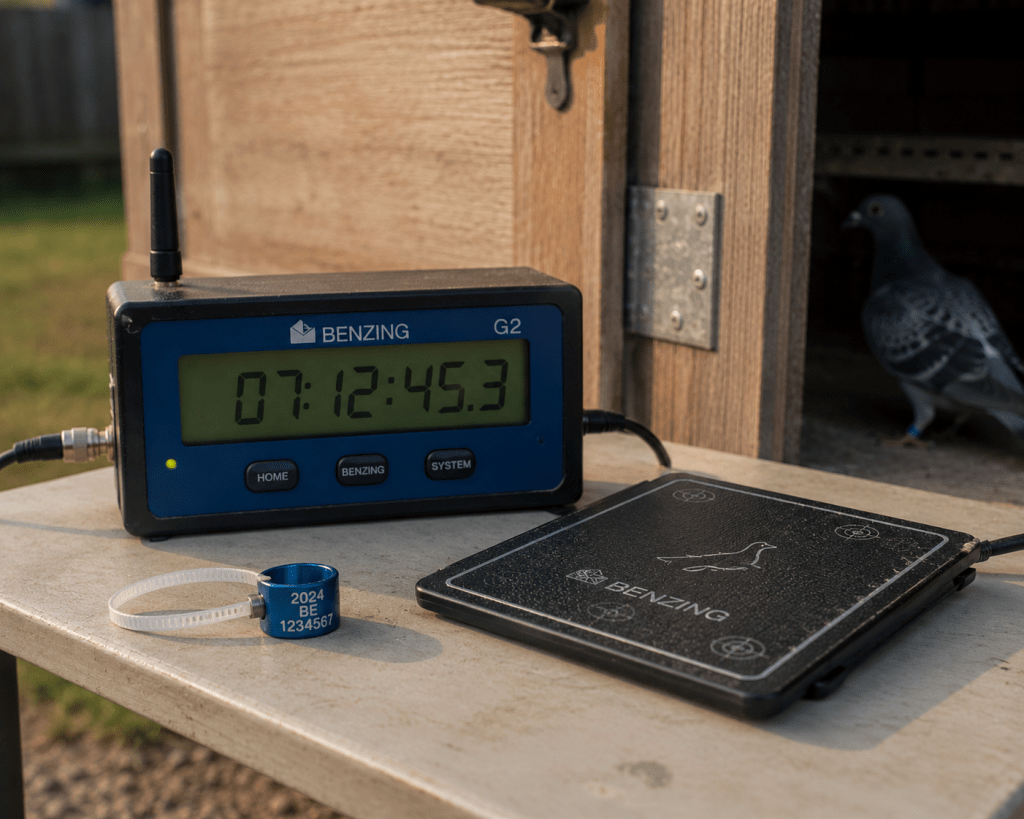
Racers wait by their lofts with specialized clocks or electronic timing systems. When the pigeon finally appears, it doesn’t just flap in and pose heroically. It might circle the loft. It might land on the roof and think about its life choices. It might take an unhurried moment to preen.
Every second of that indecision is shaving points off a carefully planned race result.
So you have these incredibly engineered birds, conditioned for speed and endurance, bottlenecked by the fact that sometimes they simply do not feel like going inside yet. There’s something very human about that.
A Hobby Built On Quiet Obsession
If you talk to pigeon racers, you’ll get a mix of data and tenderness. They’ll tell you about bloodlines, wing structure, eye color, feed ratios, and training schedules. Then, without changing tone, they’ll refer to a particular pigeon like it’s an old friend.
That’s the secret kernel at the center of a lot of “boring” hobbies: deep care expressed through repetition. The bird goes out, the bird comes back, and hidden inside that loop is years of attention, patience, and small adjustments.
From a distance, it looks like nothing is happening. Up close, everything is.
Why This Belongs On A Site Called This Is Boring
Competitive pigeon racing is exactly the kind of pastime that gets dismissed with a shrug. It’s slow. It’s methodical. It requires waiting, record‑keeping, and a tolerance for disappointment when your champion decides to take the scenic route.
Which is also why it’s perfect.
It asks you to care about something that absolutely does not need you. The pigeons will fly regardless. The sky will be there. The clock will tick either way. The “boring” part is that no one else is watching.
The interesting part is that someone is.
If you’ve ever found yourself obsessing over split times, small variables, or the satisfying click of well‑kept data, pigeon racing is like looking into a slightly feathery mirror. You might not be ready to buy a loft, but you can at least respect the elegance of a hobby where the main event is simply waiting for a dot on the horizon to choose you back.

By: Boring AI

